
Greek weddings are rich with symbolism, joy, and centuries-old customs that connect couples with their heritage and community. From the moment the engagement is announced to the final song of the night, Greek wedding traditions infuse every part of the celebration with deeper meaning and unforgettable moments, especially for couples planning destination weddings in Crete, where culture and celebration naturally come together.
Engagement & Early Traditions
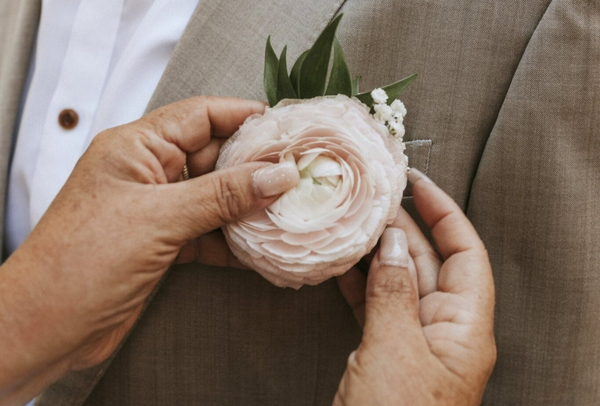
The journey into Greek Wedding traditions often begins long before the wedding day, with rituals that symbolize commitment and family unity starting with a meaningful wedding proposal that sets the emotional tone for everything that follows.
The Engagement Blessing
Traditionally, engagements were announced in the presence of both families, often accompanied by the exchange of symbolic gifts. This gathering marked the official union of two families and set the tone for the celebrations ahead.
Regional Influences Across Greece
Local customs vary throughout the country, with islands and mainland regions offering their own interpretations of tradition. For example, traditional Cretan weddings are known for their strong musical presence, poetic mantinades, and vibrant communal celebrations that last well into the night.
Pre-Wedding Rituals & Family Involvement
The days leading up to the ceremony are filled with preparations that bring loved ones together.
The Krevati Ceremony
The krevati is a joyful pre-wedding ritual where the couple’s bed is decorated by close friends and family, symbolizing prosperity and fertility. Guests often toss money or rice on the bed while offering wishes for happiness and abundance.
The Role of the Wedding Planner
In modern celebrations, couples often work closely with a wedding planner to thoughtfully blend traditional elements with contemporary style, ensuring each custom is honored while reflecting the couple’s personal vision.
The Wedding Ceremony
The ceremony is the heart of Greek Wedding traditions, filled with symbolism and sacred gestures.
- The Stefana (Wedding Crowns): One of the most iconic rituals is the crowning of the couple with stefana, symbolizing unity, honor, and shared life. Joined by a ribbon, the crowns represent the spiritual bond between bride and groom.
- The Circular Walk: The couple circles the altar three times, representing their journey together and the eternal nature of marriage.
Celebrations After the Ceremony
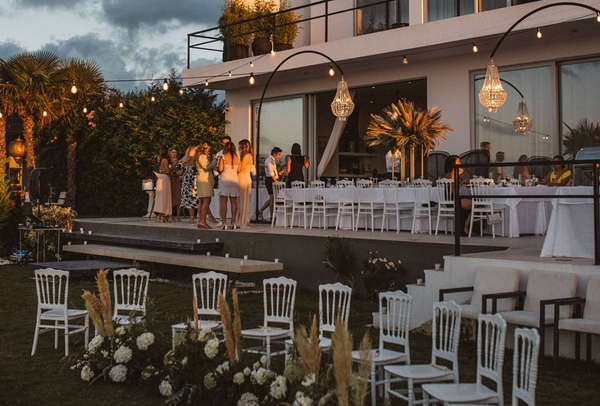
Once the vows are exchanged, the celebration truly begins.
Music, Dance & Community
Traditional Greek music and dances such as Kalamatianos and Sirtos invite everyone to join the celebration, reinforcing the communal spirit behind Greek Wedding traditions.
The Money Dance
Guests pin money onto the bride and groom during the money dance, offering wishes of prosperity and support as the couple begins their life together.
Wedding Details with Symbolism
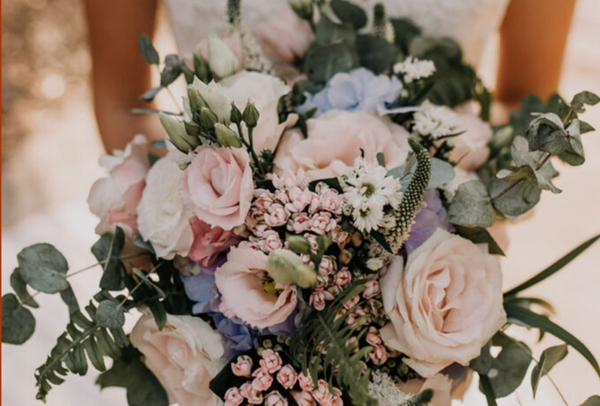
Beyond rituals, meaningful details add depth and personality to the celebration.
Wedding Favors with Cultural Roots
Thoughtfully chosen wedding favors often reflect Greek heritage, such as olive oil, sugared almonds (koufeta), or handmade keepsakes that symbolize fertility, abundance, and gratitude.
Why Greek Wedding Traditions Endure
These customs are more than beautiful moments they are expressions of identity, family, and shared history. Passed down through generations, Greek wedding traditions continue to evolve while preserving their emotional and cultural significance.
From pre-wedding rituals to joyful celebrations filled with music and dance, Greek Cretan weddings and traditions create ceremonies that are heartfelt, symbolic, and deeply memorable. Whether inspired by regional customs or timeless ceremonial elements, these traditions offer couples a meaningful way to celebrate love while honoring their roots.